awwwards.skill

Claude Code skill · MIT

Awwwards is not
a style. It’s a
scoring system.

Four weighted criteria, judged by at least eighteen working designers, with the three most extreme scores thrown away. This skill encodes that system as a build method your coding agent can actually follow.

curl -fsSL https://raw.githubusercontent.com/SandroHub013/awwwards-skill/main/install.sh | sh

Windows? PowerShell one-liner · Prefer no pipe-to-shell? git clone

Consequence one

You don’t win because one juror falls in love.

The outlier votes are dropped automatically. You win because no juror finds a reason to mark you down. That makes usability, the one criterion anyone can measure objectively, the thing that quietly eliminates the most beautiful sites.
Consequence two

One signature moment beats twenty effects.

Every recent Site of the Day has a single interaction people describe out loud. Scattered effects read as noise and cost points twice: once in design, once in usability.

Built with it

Eleven sites, no stock anything

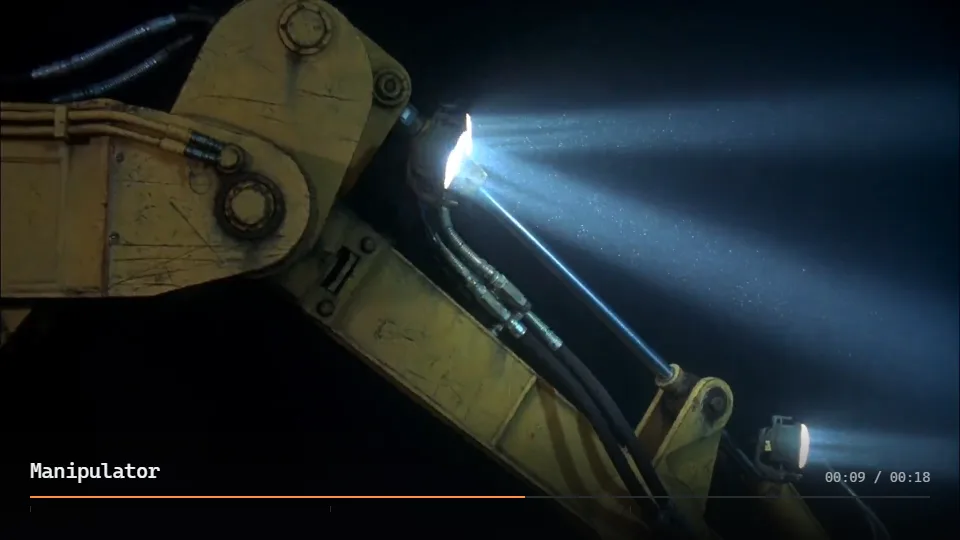
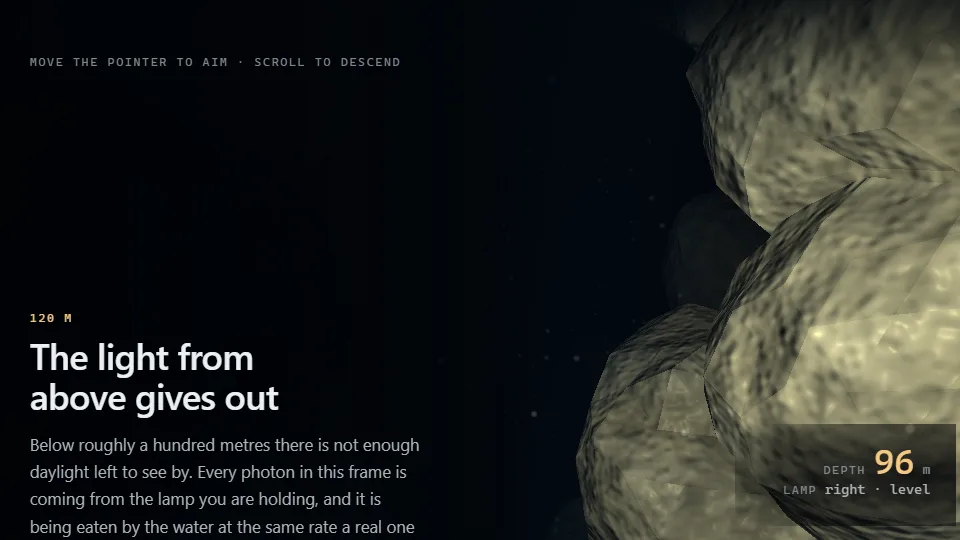
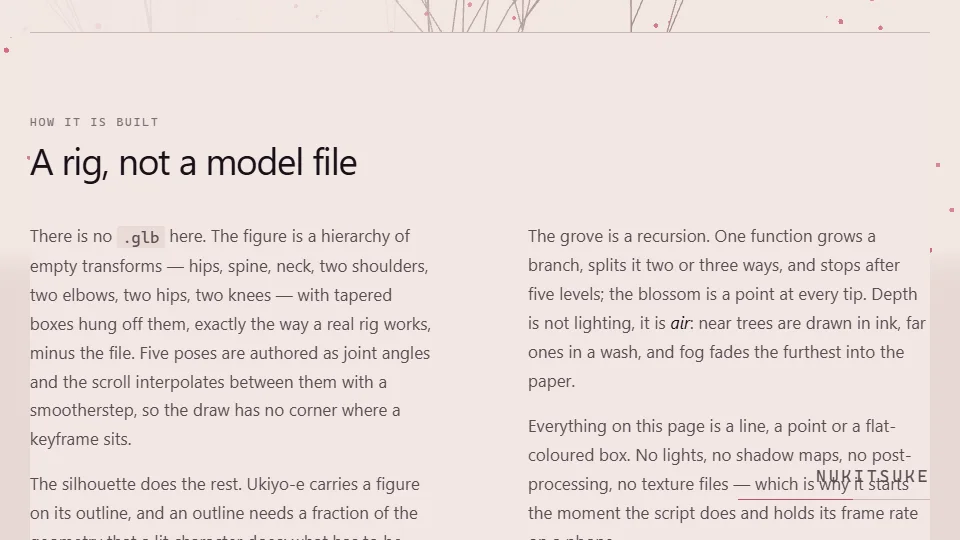
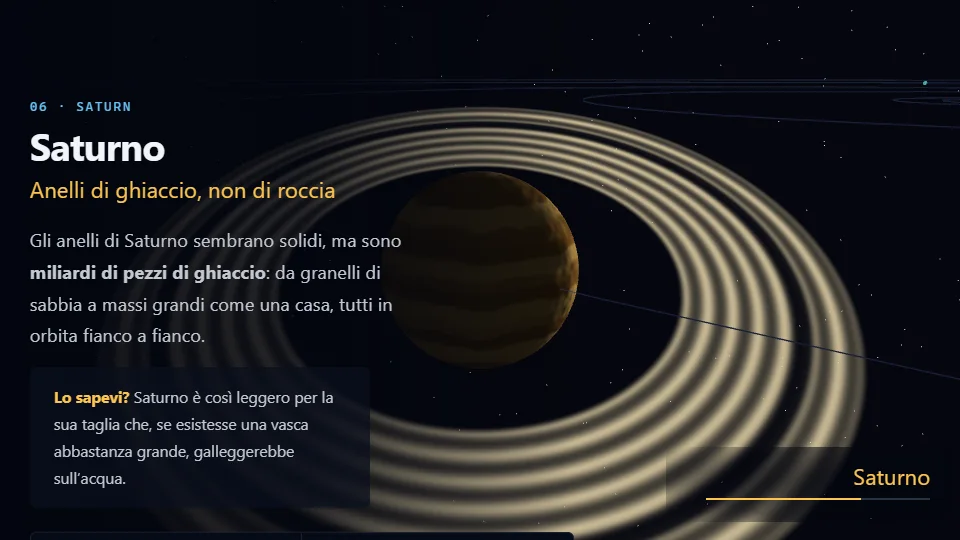
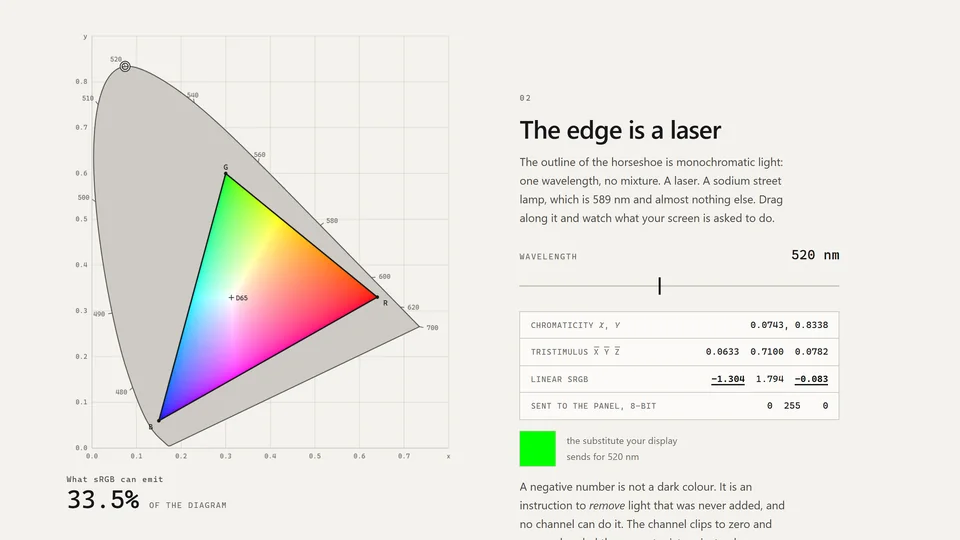
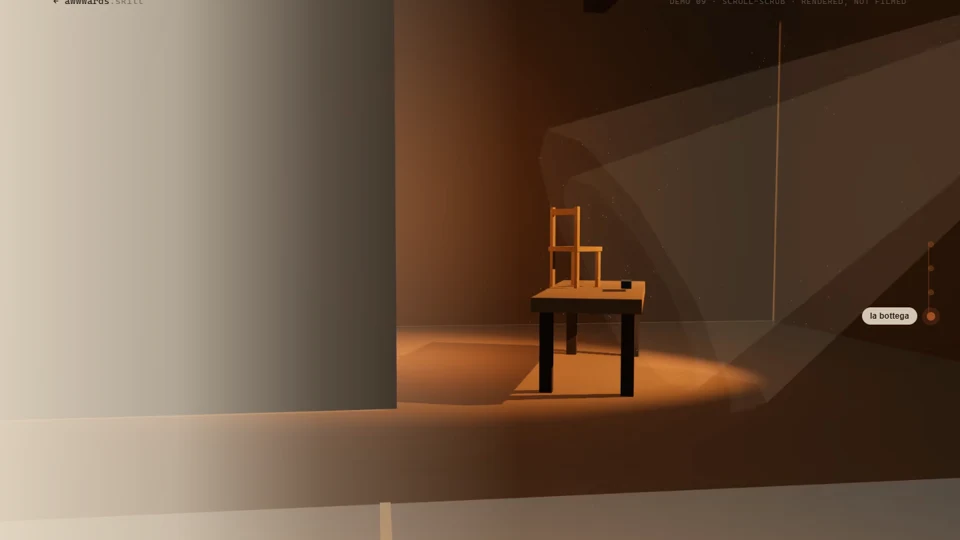
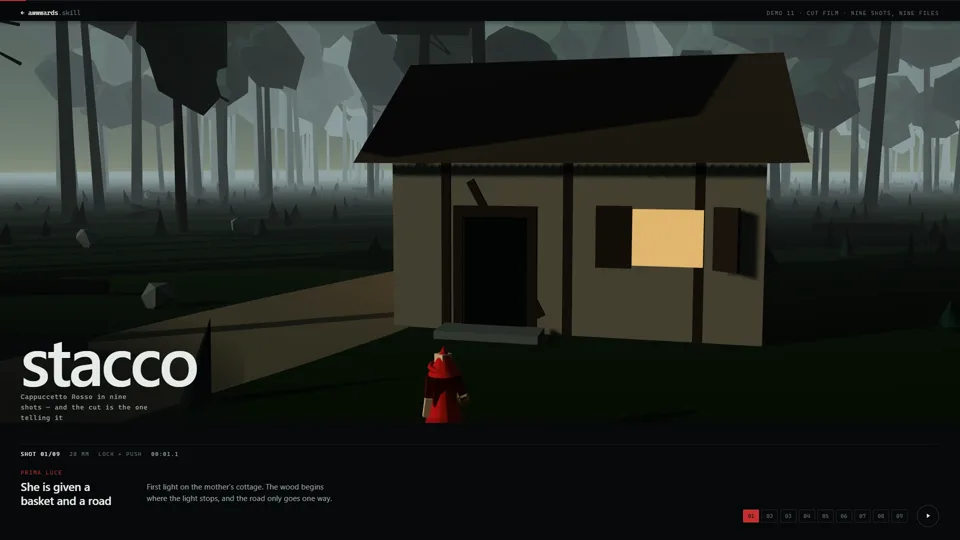
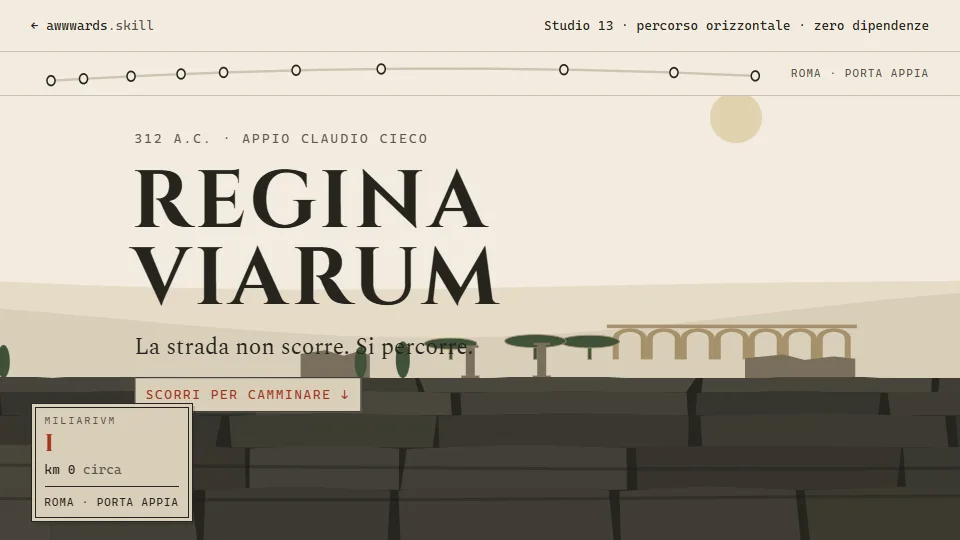
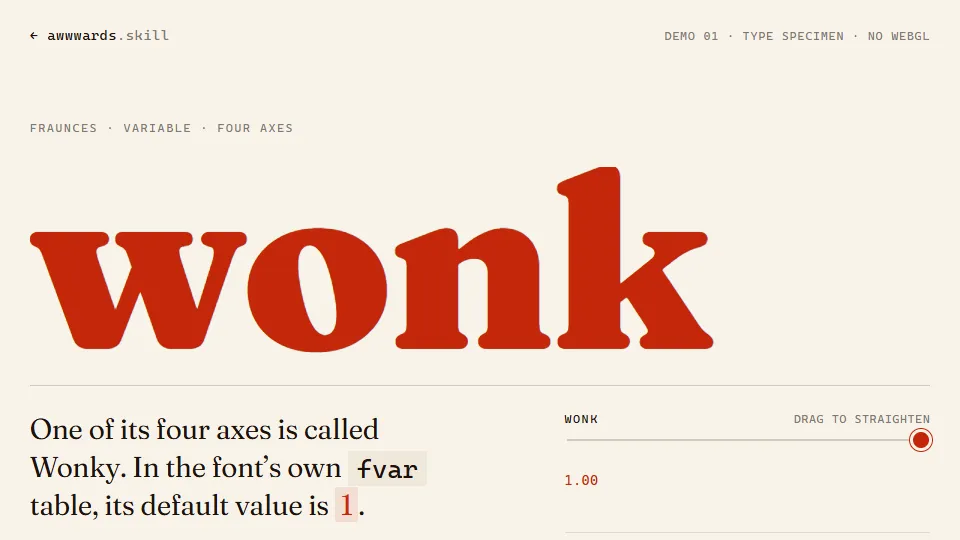
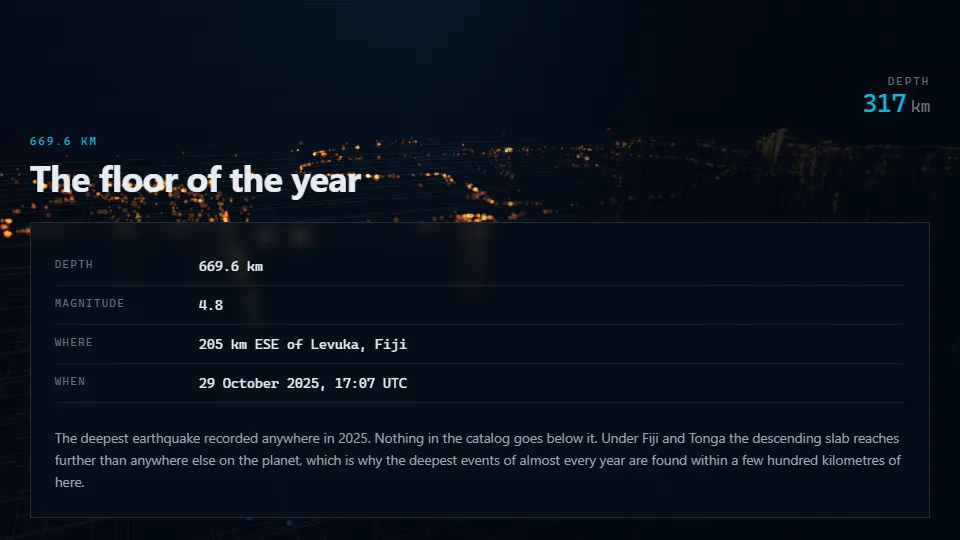
Each was produced by running the method in this repo end to end, and each is scored against the same rubric with the numbers published rather than implied. Three are built on primary sources — a font binary, a public earthquake catalog, and the 1931 measurements that define colour. One is generated footage and says so in its headline rather than its footer. One derives its whole geometry from the two setting-out rules a fifteenth-century site actually used. Two are scroll-scrubbed films arguing with each other: one hides every cut, the other prints them. One is the Via Appia walked sideways, with the milestones doing the progress reporting. The rest have no assets at all: they compute every frame while you watch.

None is a template. Each one is self-scored against the same rubric the skill applies to your work, and the score is printed in each repo folder rather than implied.

The rubric

What each criterion actually rewards

≥ 6.5 Honorable Mention (jury and users, independently) highest Site of the Day > 7 Developer Award (SOTD winners, re-scored by a developer jury)

Try the rubric

Score your own site, honestly

The same weighted maths the jury applies. Be pessimistic: a juror spends sixty to a hundred and twenty seconds on your site, on their machine, at their window size, on their connection.

7.0
6.0
7.0
6.0

6.60/10

Close to an Honorable Mention. Find your two lowest rows and fix those first.

The method

Eight phases, in order, no skipping

The agent does not start writing markup at phase three without phases zero to two written down. That single rule is most of the difference between a competent site and an awarded one.

  1. Brief & conceptOne sentence that survives with every animation removed.
  2. Art direction systemType scale, colour roles, grid, spacing rhythm, motion language, as tokens, before markup.
  3. Signature momentSpecified in writing: trigger, phases, timing, mobile version, reduced-motion version, fallback.
  4. BuildSmallest stack that expresses the concept. Scroll spine first, then sections.
  5. Craft passPreloader, transitions, cursor, states, 404, OG image. Where 6.5 becomes 7.5.
  6. HardeningPerformance budget, Core Web Vitals, accessibility, mobile excellence, cross-browser.
  7. Self-score & auditMeasured in a real browser. Iterate until the predicted score clears 7.0.
  8. SubmissionThumbnail, timing, deploy freeze, share plan.

Non-negotiables

Numbers, not adjectives

The skill treats these as build constraints, not as a post-launch cleanup. The right-hand column is this page, measured, because a document about craft that loads slowly is an argument against itself.

Award-tier performance targets compared with this page's measured values
MetricAward targetTypical siteThis page
LCP< 1.5 s2.5–4 smeasuring…
CLS< 0.050.1–0.25measuring…
INP< 100 ms200–500 msmeasuring…
First-view payload as served< 3 MB5–10 MBmeasuring…
JavaScript shipped as served< 250 KB1 MB+measuring…
Animation librariesas few as express the concepttwo or threezero

This page ships no animation library on purpose. Reference 06 says to pick the smallest stack that can express the concept, and a documentation page is not a spatial experience, so the reveals here are native CSS scroll-driven animations and the rest is a few kilobytes of vanilla JavaScript. The skill recommends GSAP + Lenis where the concept earns them, and ships a working template for exactly that.

What’s inside

Nineteen references, loaded on demand

Progressive disclosure: the agent reads the workflow, then pulls only the reference the current phase needs.

Plus a no-build starter template that encodes the doctrine, a DOM-synced WebGL layer with real teardown, and a printable pre-flight checklist.

Install

Four ways, thirty seconds

curl -fsSL https://raw.githubusercontent.com/SandroHub013/awwwards-skill/main/install.sh | sh

Clones into ~/.claude/skills/awwwards. Re-run to update.

Then say

  • /awwwards to read the workflow
  • “build me an awwwards-level site for my studio”
  • “score my site against the Awwwards criteria”, which drives a real browser and reports measured numbers

Polish does not rescue a site with no idea.
Start at phase zero.